


Introduction
Maintaining your carpet is about more than appearance—it’s essential for creating a healthy and inviting home. Clean, well-cared-for carpets provide a foundation for your living space, providing comfort and minimizing allergens. Today, more homeowners are seeking solutions that are effective, safe for their families, and environmentally responsible. For those aiming for cleaner, greener homes, opting for eco-friendly carpet cleaning not only extends the life of your carpet but also protects your indoor environment from harsh chemicals and irritants.
The proper carpet care routine can significantly impact the lifespan and overall cleanliness of your flooring. Regular maintenance, prompt attention to spills, and professional interventions play critical roles. As you strive to keep your carpets fresh and beautiful, integrating preventative and eco-conscious practices can make all the difference in sustaining a healthy home atmosphere.
Regular Vacuuming: The First Line of Defense
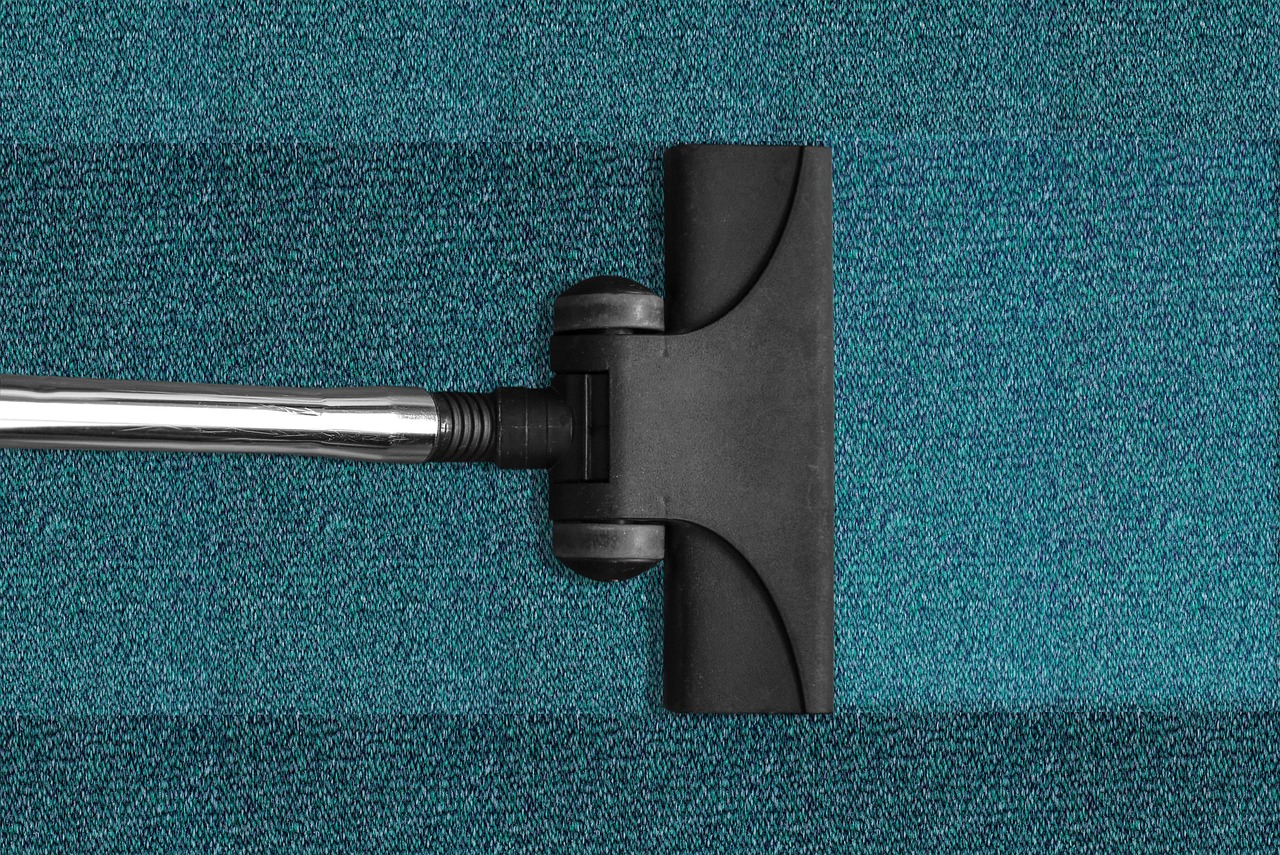
Vacuuming is a simple yet powerful practice for preventing dirt, dust, and debris from settling deep into carpet fibers. High-traffic zones—such as entryways and hallways—should be vacuumed daily, while bedrooms and other less frequented areas can be vacuumed weekly. A high-quality vacuum equipped with a HEPA filter can further enhance your efforts by trapping even the smallest allergens and dust particles, helping support better indoor air quality. Consistency is key to stopping dirt from settling in and causing long-term fiber damage.
Immediate Spill Response: Preventing Stains
Accidental spills are inevitable, but acting fast can prevent a mishap from becoming a permanent stain. The best strategy is to blot—never rub—the spill with a clean, dry cloth to soak up as much liquid as possible. For organic spills like wine, juice, or pet accidents, combine equal parts white vinegar and water in a spray bottle and apply it to the area. Always test your chosen solution on a hidden spot before complete application to guarantee it won’t discolor or damage your carpet. For additional strategies on spot cleaning, the Good Housekeeping Stain Removal Guide offers practical advice for various everyday spills.
Professional Cleaning: Deep Cleaning Benefits
No matter how diligent your daily and weekly routines may be, carpets benefit greatly from periodic professional cleaning. Experts recommend cleaning your carpets every 12 to 18 months, depending on household activity and whether pets or young children are present. Professional services, particularly those that use hot water extraction, can reach and remove embedded debris, dust mites, and allergens. This deep cleaning not only restores the look of your carpet but also significantly prolongs its life and freshness. Additionally, experts can treat stubborn stains and odors with specialized solutions unavailable in typical home cleaning arsenals.
Preventive Measures: Protecting Your Carpet
Proactive strategies can drastically reduce the wear and tear your carpet endures, ensuring it remains beautiful and functional for years. Place area rugs or runners in busy areas to shield vulnerable carpet fibers. Establishing a no-shoe policy at entrances can reduce the dirt and grime tracked into your living space. Using pads under furniture helps distribute weight evenly, prevents unsightly indentations, and improves carpet longevity. Frequent furniture rotation is another simple way to avoid uneven wear and revive your flooring’s overall appearance.
Eco-Friendly Solutions: Safe and Effective Cleaning
Choosing green alternatives for carpet cleaning offers peace of mind for those concerned about chemical exposure in the home, especially families with pets or young children. Simple, effective options include sprinkling baking soda to neutralize odors or using vinegar and water to spot-treat stains. Many modern commercial eco-friendly carpet cleaning products are now widely available, and they work just as efficiently as traditional cleaners without introducing harmful toxins into your indoor air. These environmentally conscious methods ensure safe and thorough cleaning results, aligning healthy home standards with responsible stewardship of our surroundings. For more on why using green cleaning products is beneficial, read The New York Times Green Cleaning Guide.

Seasonal Maintenance: Adapting to Environmental Changes
Your carpet care strategy should adjust with the seasons. Wet weather means more mud and moisture—combat this by using doormats at every entry and frequently cleaning these mats to reduce the amount of grime that gets tracked inside. Dust is more likely to accumulate in the dry months, so increase your vacuuming cadence accordingly. Consider using a humidifier during colder, drier months to prevent static and brittleness in carpet fibers. Proactive seasonal adjustments keep your carpet looking and feeling its best all year round.
Addressing Common Issues: Handling Wear and Tear
Continuous use inevitably leads to signs of wear on carpets, but regular monitoring can help address these issues before they worsen. Look for snags, loose fibers, or fraying edges and deal with them promptly by trimming or calling in a professional for repairs. Use curtains or blinds during peak hours to avoid fading if your carpet gets significant sunlight exposure. Strategically shifting your furniture layout every few months will minimize permanent marks and prolong your carpet’s vibrancy. Check out the Better Homes & Gardens Carpet Cleaning Tips for more repair and care insights.
Conclusion: Sustaining Carpet Longevity
Superior carpet care isn’t a one-time project; it’s built through routine maintenance, immediate response to spills, periodic professional cleaning, and sensible preventive measures. Prioritizing eco-friendly and sustainable options supports a healthier home for your family and the environment. By adopting these best practices, your carpet will continue providing comfort, beauty, and value for years.
